5 questions
1. Start with the role of the product
A mouthwash project starts with a range decision: what should this product add to the collection? A matching flavour, a different format or a new price position can each lead to a different brief. Write down the reason for introducing the product before choosing its bottle or visual identity.
Describe the intended audience, sales channel and relationship to your toothpaste. For example, a travel collection and a bathroom shelf collection may share a brand identity while needing different pack sizes. Keep the initial description specific enough to guide a discussion, but leave unconfirmed details open.
- Identify the intended audience and sales market.
- Explain how the mouthwash relates to existing products.
- Separate essential requirements from preferences.
A clear role gives the formulation and packaging teams the same starting point.
2. Describe the experience you want to explore
Flavour language can be subjective. Words such as fresh, gentle or strong become more useful when paired with a reference and an explanation. Describe which part of a reference you want to discuss: its flavour direction, intensity, appearance or overall presentation.
Record preferences as development questions rather than confirmed performance claims. The final composition, intended use and product wording need to be considered together during review. A concept document should make those open decisions easy to identify.
| Area | What to describe |
|---|---|
| Flavour | Which direction and reference products should be discussed? |
| Appearance | What colour or clarity is being considered? |
| Positioning | Which proposed benefits and product statements need review? |
| Use | What intended audience and usage context should the team assess? |
Use the same vocabulary when comparing later samples.
3. Treat the bottle and closure as one decision
Choose a proposed bottle size alongside the sales format. Consider how the pack will be held, opened, stored and displayed. A label drawing alone cannot show these details, so include a physical packaging reference when possible.
Ask the project team to review the bottle, closure, label area and proposed formulation together. Record the checks to be agreed, including component fit, transport arrangements and the information needed before final artwork can be prepared.
- Proposed fill volume and bottle dimensions
- Closure format and opening experience
- Label or decoration area
- Single-unit, carton or set presentation
4. Build consistency without making every pack identical
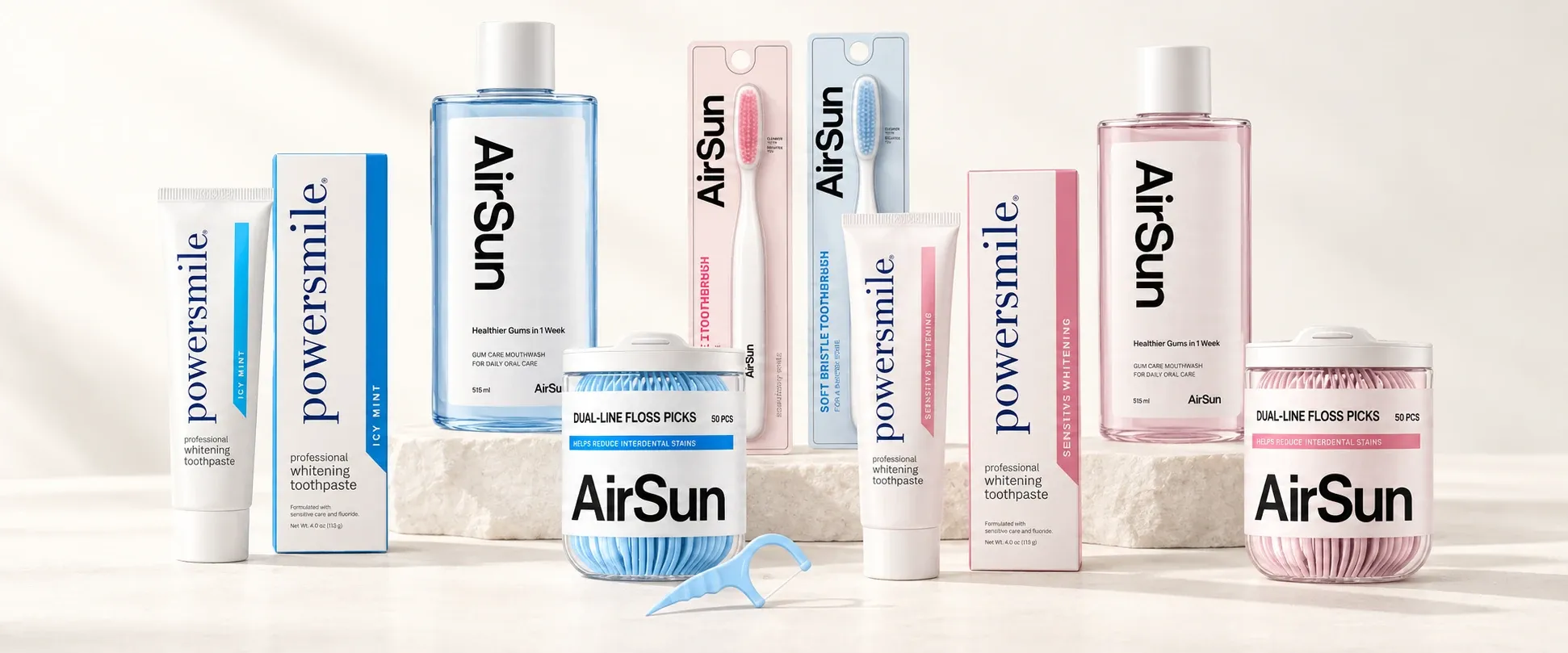
Place the proposed mouthwash beside the toothpaste and other products in your range. Compare the logo position, naming hierarchy, colour relationships and information layout. Different pack shapes may need different arrangements to create a consistent impression.
Review the collection in the context in which customers will see it. A small product image on a screen and a physical shelf display raise different questions about legibility. Include both views when discussing artwork revisions.
A shared brand language can connect products while leaving each format easy to understand.
5. Bring the decisions into a shared project brief
Combine the product role, audience, flavour direction, packaging references and outstanding questions in one document. Give each reference a short explanation so the team understands why it matters.
Before requesting the next sample, agree what that sample is intended to show. Keep comments on formulation, packaging and artwork separate, and identify which decisions are confirmed. This turns a broad range idea into a sequence of manageable development discussions.
- Product role and target market
- Sensory and packaging references
- Proposed quantities and requested timing
- Decisions still requiring review
Start with the information you already have, then use the brief to organise what comes next.
Ready to develop your oral care product?
Share your product idea, target market and packaging preferences. Our team can help you clarify the development brief and next steps.
Discuss your project