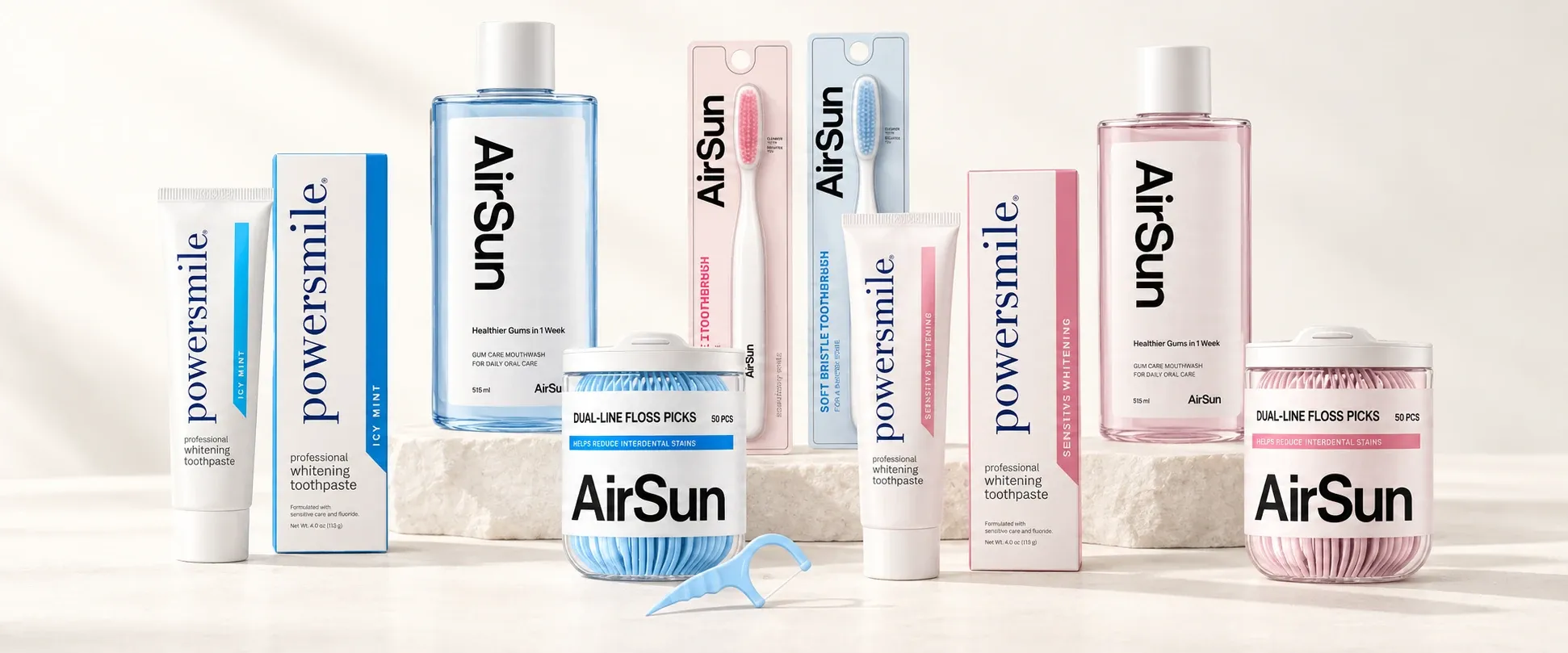
5 questions
1. Begin with the product and its sales format
A toothpaste pack needs a clear role in your range. Before choosing a finish or colour, describe the intended product, proposed fill weight and sales format. A single tube, a carton and a multipack each create different presentation decisions.
Use the product brief to establish priorities. Explain what the customer should recognise first and where the pack will be seen. This gives the packaging discussion a purpose beyond reproducing a reference image.
- Intended product and audience
- Proposed size and range position
- Retail, online or set presentation
- Brand elements that need to stay consistent
2. Review the tube and closure together
The tube and cap should be discussed as a combination. Consider how the pack stands, opens and dispenses, and how its shape relates to the rest of the range. A flat artwork file cannot answer all of these questions.
Use physical references or dimensioned component information when available. Record which features are essential and which are open to alternatives. Ask the project team to identify the checks needed for the proposed formula and component combination before treating it as final.
| Area | What to describe |
|---|---|
| Tube | What format, dimensions and fill weight are proposed? |
| Closure | How should it open, close and support the intended presentation? |
| Decoration | Which colours, finishes and references should be assessed? |
| Combination | What checks are needed before the complete pack is approved? |
3. Give artwork a reliable foundation
Start artwork development with the appropriate component drawing or template. Check that the version matches the component under discussion. Otherwise, a polished design may need substantial changes when the physical pack is confirmed.
Organise the information hierarchy before refining decorative details. Product name, variant and other required information need clear positions. Confirm the wording through the appropriate review process and keep unresolved text separate from approved copy.
- Identify the current component template.
- Keep artwork files clearly versioned.
- Record colour and finish references.
- List copy and layout items still awaiting review.
4. Decide how the carton supports the product
Discuss the purpose of a carton in the proposed sales format. It may be part of the visual presentation or provide another surface for product information. The brief should explain the intended role so alternatives can be compared against the same objective.
Review the tube and carton side by side. Check their naming, colour relationships and dimensions together, then consider the planned set or shipping arrangement. Record the packing details that still need confirmation rather than assuming a visual mock-up defines them.
A coherent pack combines physical fit, clear information and a consistent brand presentation.
5. Turn the packaging review into a clear record
Before approving a packaging direction, identify exactly what is being reviewed. A digital mock-up, an undecorated component and a printed reference answer different questions. State which properties are represented and which are still provisional.
Keep the component references, artwork version, requested changes and approvals in one record. When a change affects another part of the pack, bring that connection back into the discussion. This helps the team prepare the next sample with a shared understanding of the target.
- Component references and proposed dimensions
- Artwork version and copy review status
- Colour and finish references
- Open questions, decision owners and next steps
Approve a clearly identified version, then carry that reference forward into the production brief.
Ready to develop your oral care product?
Share your product idea, target market and packaging preferences. Our team can help you clarify the development brief and next steps.
Discuss your project